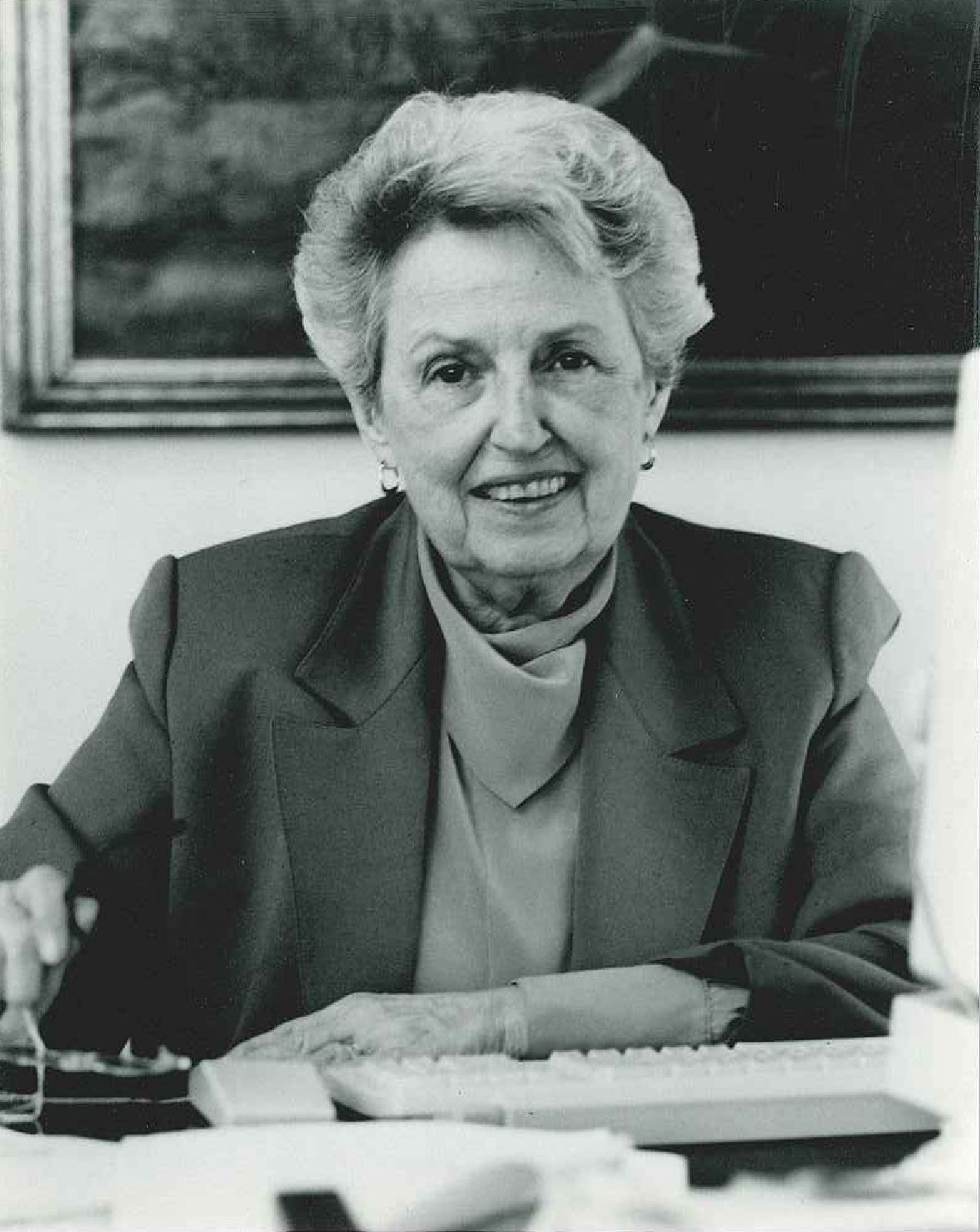
Bernice Neugarten
Social Clocks, Age Norms, and Life Transitions
Bernice L. Neugarten (1916–2001) was an American psychologist and pioneering gerontologist, particularly recognized for her work on age norms and the social clock. Her research shifted the focus from solely chronological age to the psychological and social meanings of age in adulthood. Neugarten emphasized how individuals’ development is shaped not just by internal processes but by societal expectations about the “proper” timing of life events and roles, profoundly influencing their social and relational pathways across the lifespan.
Key Concepts and Contributions:
Social Clock: Neugarten’s most influential concept, the “social clock,” refers to the culturally preferred timing for various social events and roles, such as marriage, parenthood, career establishment, and retirement. It’s an internalized timetable that guides individuals on what they “should” be doing and when. While not rigid laws, social clocks create strong expectations and pressures that influence individuals’ choices and self-perceptions throughout adulthood.
-
“On-Time” vs. “Off-Time” Events: Neugarten explored the psychological consequences of experiencing life events “on-time” (i.e., conforming to the social clock) versus “off-time.” Experiencing events “off-time” (e.g., becoming a parent much later or earlier than expected, divorcing at an unusual age) can lead to greater psychological distress, feelings of being out of sync, or challenges in social integration, even if the event itself is positive. Conversely, being “on-time” often provides a sense of security and validation.
-
Internalization of Norms: Individuals internalize these social clocks from their culture, family, and peer groups. They use them to evaluate their own progress and to anticipate future life events, shaping their expectations for social and relational development.
Ageism and Age Norms: Neugarten extensively studied age norms—societal rules about what is appropriate for people at different ages. She critiqued ageism, the prejudice or discrimination against people on the basis of their age, particularly older adults. Her work highlights how age norms can constrain social opportunities and influence interpersonal perceptions, impacting an individual’s sense of self and their relational experiences throughout adulthood.
Psychological Well-being and Life Satisfaction: Neugarten’s research often linked adherence to age norms and the “social clock” to adult psychological well-being. While challenging norms can be a source of growth for some, she observed that successfully navigating life transitions within culturally acceptable timeframes often correlated with higher life satisfaction, partly due to reduced social strain.
Significance for Adult Development:
Neugarten’s work holds immense significance for social, relational, and interpersonal development in adulthood for several reasons:
-
Social Context of Adult Development: She firmly rooted adult development in its social and cultural context, demonstrating how collective expectations and norms profoundly influence individual life choices, transitions, and the timing of relational milestones (e.g., partnership formation, family building).
-
Understanding Social Pressure and Adaptation: Her concept of the social clock provides a powerful lens for understanding the social pressures adults face at different ages regarding their relationships, careers, and roles, and how individuals adapt to or resist these pressures.
-
Individual Differences in Timing: While identifying general patterns, Neugarten’s work also highlights that the impact of social norms varies greatly among individuals, contributing to the diversity of adult developmental pathways and how personal identity is shaped by the interplay of internal desires and external expectations.
-
Transitions in Relationships: Her focus on the timing of major life events (marriage, parenthood, retirement) directly illuminates how these social milestones reshape an individual’s interpersonal networks, family roles, and broader social identity across the adult lifespan.
-
Gerontological Insights into Social Aging: As a leading gerontologist, her research on age norms and their impact on older adults provided critical insights into the social experience of aging, including adjustments to retirement, loss of loved ones, and changes in social status, emphasizing the ongoing importance of social engagement.
In summary, Bernice Neugarten’s pioneering work on age norms and the social clock profoundly illuminated how societal expectations and the timing of life events shape social, relational, and interpersonal development throughout adulthood. Her insights underscore the critical interplay between individual pathways and cultural timetables in determining adult experiences and well-being.