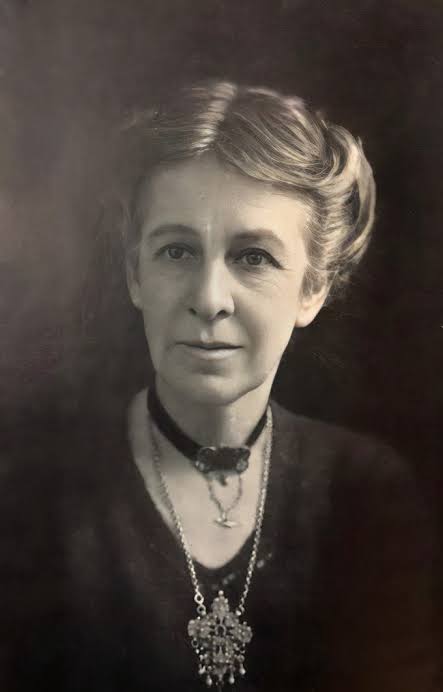
Evelyn Underhill
Christian Mysticism and Adult Spiritual Development
Evelyn Underhill was a highly influential English Anglo-Catholic writer, pacifist, and mystic, best known for her extensive works on Christian mysticism and her practical guidance on the spiritual life. While not a developmental psychologist in the modern academic sense, her profound insights into the stages and processes of spiritual growth offer a rich, nuanced framework for understanding adult spiritual development as a transformative journey of the self. Her contributions are vital for anyone exploring the deeper, non-rational dimensions of human experience and the unfolding of consciousness beyond conventional psychological paradigms.
Underhill’s primary contribution lies in her systematic exposition of the mystical path as a universal human experience, applicable to all individuals regardless of their specific religious affiliation. She argued that mysticism is not an esoteric phenomenon reserved for a select few, but a natural human capacity for direct encounter with ultimate reality, leading to profound personal transformation and union with the Divine. She meticulously charted the stages of this spiritual journey, providing a developmental map for the soul’s ascent.
Key Contributions and Concepts:
A Systematic Model of the Mystical Path: Underhill’s seminal work, Mysticism: A Study in the Nature and Development of Man’s Spiritual Consciousness (1911), remains a foundational text. In it, she outlines what she perceived as the universal stages of the mystical journey, applicable across different traditions, but particularly detailed within a Christian framework. These stages, while not strictly linear, represent a progressive unfolding of spiritual awareness and integration:
-
Arousal/Awakening: The initial stirring of spiritual hunger or dissatisfaction with ordinary life, often triggered by an external event or an inner calling.
-
Purgation: A period of self-discipline, purification, and detachment from worldly distractions and egoic attachments, aimed at clearing the path for deeper spiritual experience.
-
Illumination: A phase of intense spiritual perception, joy, and often vivid experiences of the Divine presence, leading to a profound sense of inner peace and understanding.
-
The Dark Night of the Soul: A challenging period of spiritual aridity, desolation, and apparent absence of God, which serves to purify the individual further and break down any lingering egoic reliance on spiritual consolations. This stage, often misunderstood, is crucial for deeper surrender and transformation.
-
Union: The culmination of the journey, characterized by a sustained, unitive consciousness with the Divine. This is not an absorption of the self but a profound, loving communion that transforms the individual’s entire being and way of relating to the world.
Mysticism as a Natural Human Faculty: Underhill consistently argued against the notion that mysticism is an abnormal or pathological state. Instead, she posited it as a natural faculty of the soul, a potential inherent in all human beings, which can be cultivated and developed. Her work normalized and demystified mystical experience, presenting it as a legitimate and highly valuable form of knowing and being.
Practical Guidance for Spiritual Growth: Beyond theoretical exposition, Underhill was deeply committed to providing practical guidance for those embarking on the spiritual path. Her later works, such as Practical Mysticism (1914) and Worship (1936), offered concrete advice on prayer, contemplation, self-examination, and the integration of spiritual insights into daily life. She emphasized the importance of discipline, humility, and active engagement with the world as part of the spiritual journey.
Integration of the Psychological and Spiritual: While rooted in Christian theology, Underhill’s understanding of the mystical path shows a remarkable sensitivity to psychological processes. She recognized the interplay between the conscious and unconscious mind in spiritual development, particularly in the challenges faced during purgation and the dark night. Her insights often parallel modern concepts of ego dissolution, shadow work, and self-transcendence, viewing these not as ends in themselves but as means to deeper spiritual realization.
Influence on Ecumenism and Spiritual Formation: Underhill’s broad appeal extended beyond Anglo-Catholicism. Her universal approach to mysticism made her a significant figure in early ecumenical dialogue and a key resource for individuals across various Christian denominations (and even beyond) seeking a deeper spiritual life. Her writings continue to be widely used in spiritual direction, retreat work, and theological education as a guide to understanding and fostering spiritual maturity.
In essence, Evelyn Underhill bridged the gap between academic theology and lived spiritual experience. By articulating a clear, progressive model of the mystical journey and presenting it as a natural, accessible path for adult spiritual development, she provided an invaluable framework for understanding the highest reaches of human potential and the transformative power of a sustained relationship with the Divine. Her legacy continues to inspire and guide countless individuals on their quest for deeper meaning and union.