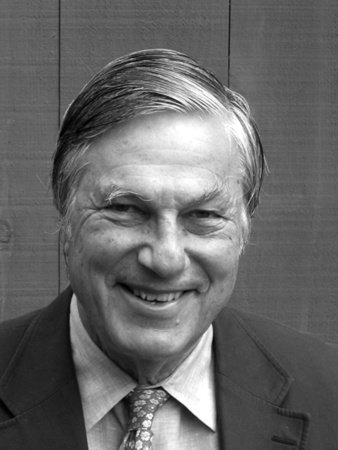
George Vaillant
Adaptation, Relationships, and the Good Life
George E. Vaillant (1934–Present) is an American psychiatrist and psychoanalyst, and a professor at Harvard Medical School. He is renowned for his decades-long leadership of the Harvard Grant Study and the Glueck Study, two of the longest longitudinal studies of adult development ever conducted. Vaillant’s work profoundly emphasizes the predictive power of warm, enduring relationships and mature psychological coping mechanisms in determining physical health, mental well-being, and overall life satisfaction across the entire adult lifespan, from early adulthood into extreme old age.
Key Concepts and Contributions:
The Harvard Grant Study: Beginning in 1938, this study tracked the lives of 268 Harvard sophomores from the classes of 1939-1944 for over 75 years, collecting extensive data on their physical health, mental health, careers, and relationships. It is a cornerstone of adult development research. Vaillant also led the Glueck Study, which followed inner-city men, allowing for important comparisons across socioeconomic lines.
Adaptive Mechanisms (Defenses): Vaillant categorized psychological coping mechanisms (defenses) into a hierarchy, from least mature (psychotic, immature) to most mature (neurotic, mature). He found that the consistent use of mature adaptive mechanisms (e.g., altruism, humor, sublimation, suppression) was strongly correlated with better mental health, more satisfying relationships, and greater success in life. These mature defenses allow individuals to manage stress and conflict in ways that foster, rather than hinder, healthy social and interpersonal functioning.
The Centrality of Relationships: Vaillant’s most profound and consistent finding is that warm, stable, and loving relationships are the single best predictor of successful aging and overall life satisfaction. Across all measures of health, happiness, and longevity, the quality of one’s relationships with family, friends, and community consistently emerged as paramount. This finding underscores the lifelong importance of social connection and intimacy.
“Growing Old with Grace”: Vaillant identified several factors contributing to “growing old with grace,” emphasizing active engagement and healthy relationships:
-
Coping with life’s challenges maturely.
-
Maintaining social contact and remaining interested in the world.
-
Focusing on meaningful relationships.
-
Giving to the next generation (generativity).
-
Learning and adapting to new experiences.
His work suggests that successful aging is not merely the absence of illness but the presence of engagement, purpose, and strong social bonds.
Significance for Adult Development:
Vaillant’s work holds immense significance for adult social, relational, and interpersonal development for several reasons:
-
Empirical Validation of Relationships: His long-term longitudinal studies provide robust empirical evidence for the unparalleled importance of relational quality as a primary driver of adult well-being, satisfaction, and even physical health across the entire lifespan. This moves beyond theoretical postulations to data-driven conclusions.
-
Lifelong Importance of Intimacy: He powerfully reinforces Erikson’s stage of Intimacy vs. Isolation and Generativity vs. Stagnation by demonstrating that the capacity for connection, care, and contribution continues to be vital for flourishing even into late adulthood.
-
Adaptive Relational Skills: Vaillant’s focus on mature adaptive mechanisms highlights specific psychological qualities and interpersonal skills (like altruism or humor) that enable individuals to maintain healthy relationships and navigate social challenges constructively throughout life.
-
Understanding Successful Aging: His research provides concrete insights into the social and relational factors that contribute to successful and fulfilling aging, countering stereotypes of isolation and decline by showing the ongoing importance of engagement and connection.