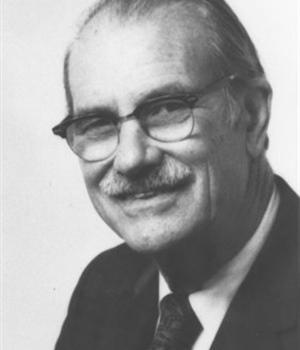
Robert Havighurst
Developmental Tasks Across the Lifespan and Successful Aging
Robert J. Havighurst (1900–1991) was an American educator, psychologist, and sociologist who made significant contributions to the field of human development by introducing the concept of “developmental tasks.” Unlike stage theories that primarily focus on internal psychological changes, Havighurst emphasized the interaction between the individual and their social environment. He proposed that successful development throughout the lifespan involves mastering a series of age-specific tasks that arise from biological maturation, societal expectations, and personal values. His work is particularly notable for extending developmental psychology explicitly into the adult years, including a strong focus on aging.
Key Concepts and Contributions:
Developmental Tasks: Havighurst’s central contribution is his theory of developmental tasks. A developmental task is a challenge or skill that an individual must acquire at a particular stage of life. Successful achievement of these tasks leads to happiness, a sense of accomplishment, and success with later tasks, while failure can lead to unhappiness, social disapproval, and difficulties in subsequent stages. These tasks are influenced by:
-
Physical Maturation: Biological changes that enable new behaviors (e.g., learning to walk).
-
Societal Expectations: Cultural norms and demands placed on individuals at certain ages (e.g., getting married, starting a career).
-
Personal Values and Aspirations: Individual desires and goals that guide choices and efforts.
Lifespan Perspective on Development: Havighurst’s theory provided a comprehensive framework that spans the entire human lifespan, from infancy through later maturity. He clearly delineated six major age periods, each with its own set of developmental tasks, thereby giving equal weight to adult development:
-
Infancy and Early Childhood (Birth-6 years): Tasks related to basic biological functions and social integration (e.g., learning to walk, talk, control bodily waste).
-
Middle Childhood (6-12 years): Tasks related to fundamental skills and social competency (e.g., developing physical skills for games, building healthy attitudes toward oneself, learning to get along with peers).
-
Adolescence (12-18 years): Tasks focused on identity formation, independence, and future preparation (e.g., achieving mature relations with peers, accepting one’s physique, preparing for a career).
-
Early Adulthood (19-30 years): Tasks centered on establishing independence and forming foundational adult relationships (e.g., selecting a mate, starting a family, getting started in an occupation, taking on civic responsibility).
-
Middle Age (30-60 years): Tasks related to generativity, career advancement, and adaptation to aging (e.g., achieving adult civic and social responsibility, maintaining an economic standard of living, assisting teenage children, accepting and adjusting to physiological changes).
-
Later Maturity (60 years and over): Tasks specifically addressing the challenges and opportunities of aging.
Specialization in Gerontology and Aging Studies: Havighurst was a pioneer in the field of gerontology. He extensively researched and theorized about the aging process, particularly through his “Activity Theory of Aging.”
-
Activity Theory of Aging: Developed in 1961, this theory proposes that successful aging occurs when older adults remain as active as possible and maintain social interactions and engagement. It posits that adults are happiest when they continue to participate in activities, pursuits, and relationships, often by finding new roles or substituting lost ones (e.g., after retirement or loss of a spouse). This theory directly challenged the “disengagement theory” prevalent at the time, which suggested that it was natural and desirable for older adults to withdraw from society. Havighurst argued that maintaining an active lifestyle, both physically and mentally, positively correlates with life satisfaction and well-being in later life.
-
Developmental Tasks of Later Maturity: He explicitly outlined key developmental tasks for later maturity, which include:
-
Adjusting to decreasing physical strength and health.
-
Adjusting to retirement and reduced income.
-
Adjusting to the death of a spouse.
-
Establishing an explicit affiliation with one’s age group.
-
Meeting social and civic obligations.
-
Establishing satisfactory physical living arrangements.
Significance for Adult Development:
Havighurst’s theory holds immense significance for adult development for several reasons:
-
Structured View of Adulthood: He provided a clear and actionable framework for understanding the evolving challenges and expectations throughout the adult years, moving beyond a sole focus on childhood development.
-
Emphasis on Social Context: His theory highlights the powerful role of societal and cultural expectations in shaping what constitutes “successful” development at different life stages, particularly in adulthood.
-
Practical Guidance: The concept of developmental tasks offers practical guidance for individuals, educators, and counselors to understand the challenges typical of different adult phases and to prepare for them, fostering adaptation and growth.
-
Pioneering Gerontological Insight: His deep engagement with aging, particularly through the Activity Theory, established a foundational perspective in gerontology that continues to influence research and practice focused on promoting active and fulfilling lives for older adults.
In summary, Robert Havighurst’s developmental task theory offers a comprehensive, lifespan-oriented view of human growth, uniquely emphasizing the interplay of biological, social, and personal forces. His specialized focus on gerontology, particularly through his Activity Theory, significantly advanced the understanding of successful aging, making him a pivotal figure in the study of adult development.