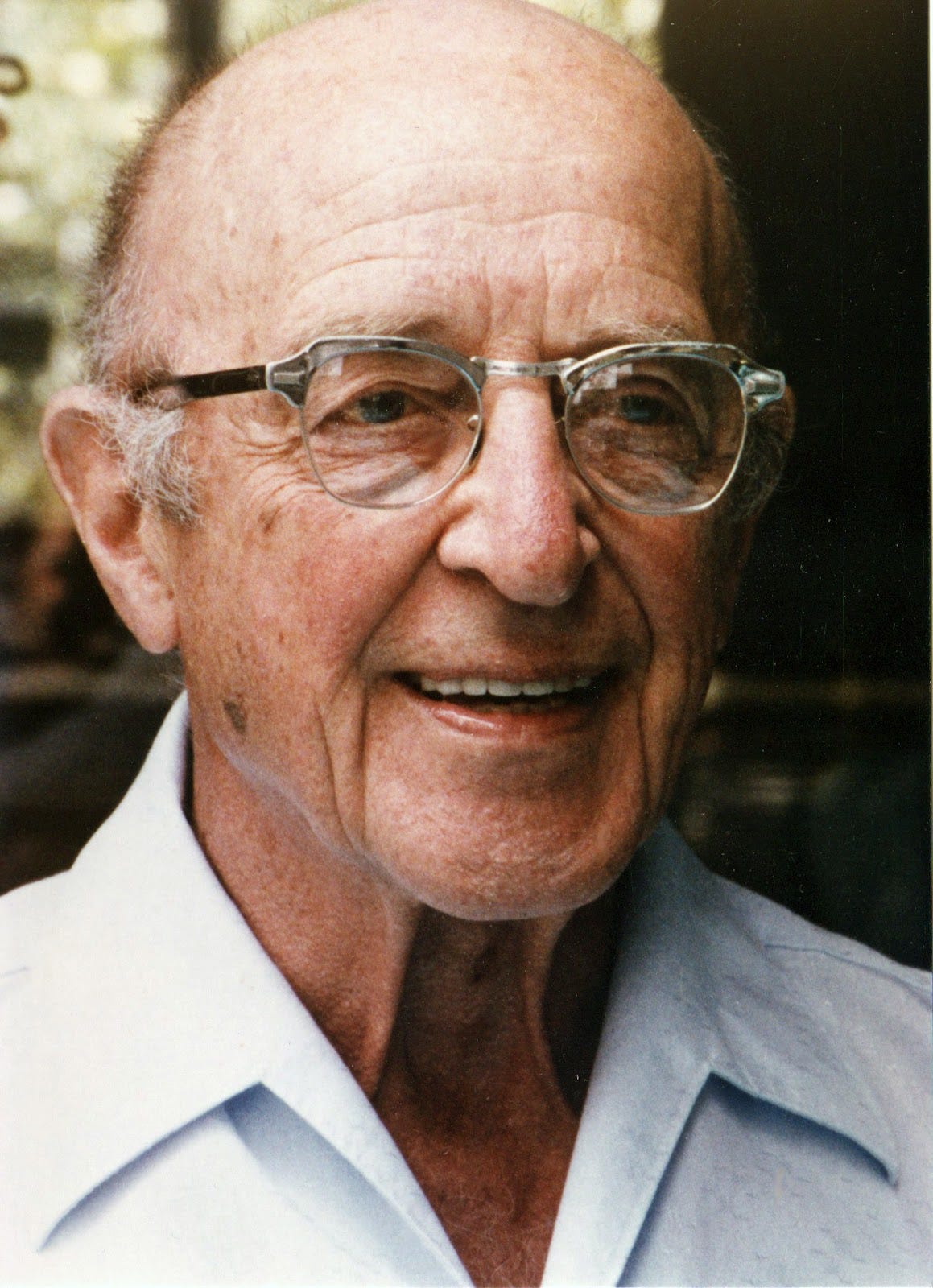
Carl Rogers
Person-Centered Approach and the Actualizing Tendency
Carl R. Rogers (1902–1987) was an American psychologist and a pioneering figure in humanistic psychology, best known for his person-centered approach to psychotherapy and his optimistic view of human nature. Rogers believed that every individual possesses an innate actualizing tendency—an inherent drive to grow, develop, and fulfill their potential. His work emphasizes the subjective experience of the individual, the importance of genuine relationships, and the conditions necessary for self-growth and the emergence of a fully functioning person throughout the lifespan.
Key Concepts and Contributions:
The Actualizing Tendency: Rogers posited that the fundamental human motivation is the actualizing tendency—the innate drive toward growth, self-enhancement, and the realization of one’s full capabilities. This tendency guides individuals toward autonomy, self-sufficiency, and positive development throughout life.
Self-Concept: The self-concept is an organized, consistent set of perceptions and beliefs about oneself. It includes the “real self” (who one actually is) and the “ideal self” (who one wishes to be). Rogers believed that a healthy self-concept is characterized by congruence—a consistency between one’s real self, ideal self, and experiences. Incongruence (a mismatch) can lead to psychological distress.
Conditions of Worth vs. Unconditional Positive Regard:
-
Conditions of Worth: These are external standards imposed by others (e.g., parents, society) that dictate when an individual is considered worthy of love or approval. Living under conditions of worth can lead individuals to suppress their authentic self to gain approval, hindering their actualizing tendency.
-
Unconditional Positive Regard: This is an attitude of complete acceptance and respect for another person, without judgment. Rogers believed that providing unconditional positive regard (along with empathy and congruence) is essential in therapeutic relationships and in all growth-fostering relationships, as it allows individuals to explore their true selves without fear of rejection, facilitating congruence and growth.
The Fully Functioning Person: Rogers described the “fully functioning person” as an individual who is continually moving toward self-actualization. Such a person is characterized by:
-
Openness to experience.
-
Existential living (living fully in the present moment).
-
Trust in one’s own organismic (inner) experiences.
-
Sense of freedom and responsibility.
-
Creativity and spontaneity.
-
Rich, fulfilling relationships.
Significance for Adult Development:
Rogers’s work holds immense significance for Existential/Humanistic Developmental theory for several reasons:
-
Lifelong Actualization: He provides a powerful framework for understanding adult development as a continuous process of striving toward the actualizing tendency. This emphasizes that personal growth is not limited to youth but is a dynamic, lifelong journey toward becoming more fully one’s self.
-
Authenticity as a Developmental Goal: Rogers highlights congruence and the cultivation of an authentic self as a primary goal of adult development. It’s about integrating one’s experiences and self-perception, moving away from defensive behaviors, and embracing one’s true nature.
-
Role of Relationships in Growth: His emphasis on unconditional positive regard, empathy, and congruence as essential conditions for growth underscores the profound importance of supportive, genuine relationships in facilitating adult development. Adults continue to grow through interactions that offer acceptance and understanding.
-
Subjective Experience and Meaning: Rogers’s focus on the individual’s subjective experience and their unique self-concept is central to meaning-making in adulthood. How adults perceive themselves and their world profoundly influences their developmental path.
-
Therapeutic Applications for Adult Growth: His person-centered therapy model has been widely applied to help adults overcome psychological distress, reconcile incongruence, and engage more fully in their actualizing tendency, promoting personal growth and well-being.
In summary, Carl Rogers’s person-centered approach and his concept of the actualizing tendency are fundamental to Existential/Humanistic Developmental theory. He provided an optimistic framework for understanding adult development as a continuous, innate drive toward self-fulfillment and authenticity, emphasizing the critical role of unconditional positive regard and genuine relationships in fostering a fully functioning person throughout the lifespan.