Meaning-Making, Self-Actualization, and the Human Condition
The category of Existential / Humanistic Development explores the unique human capacity for self-awareness, choice, and the inherent drive towards personal growth, meaning, and the realization of one’s fullest potential. Diverging from psychological approaches that prioritize pathology or deterministic forces, this perspective emphasizes the individual’s subjective experience, innate tendencies towards self-actualization, and the active construction of meaning in life. It recognizes that adult development is a lifelong quest to understand one’s place in the world, confront fundamental existential concerns (such as freedom, responsibility, isolation, and death), and strive for authenticity and a fulfilling existence.
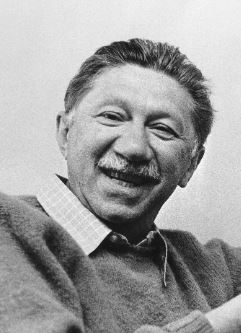
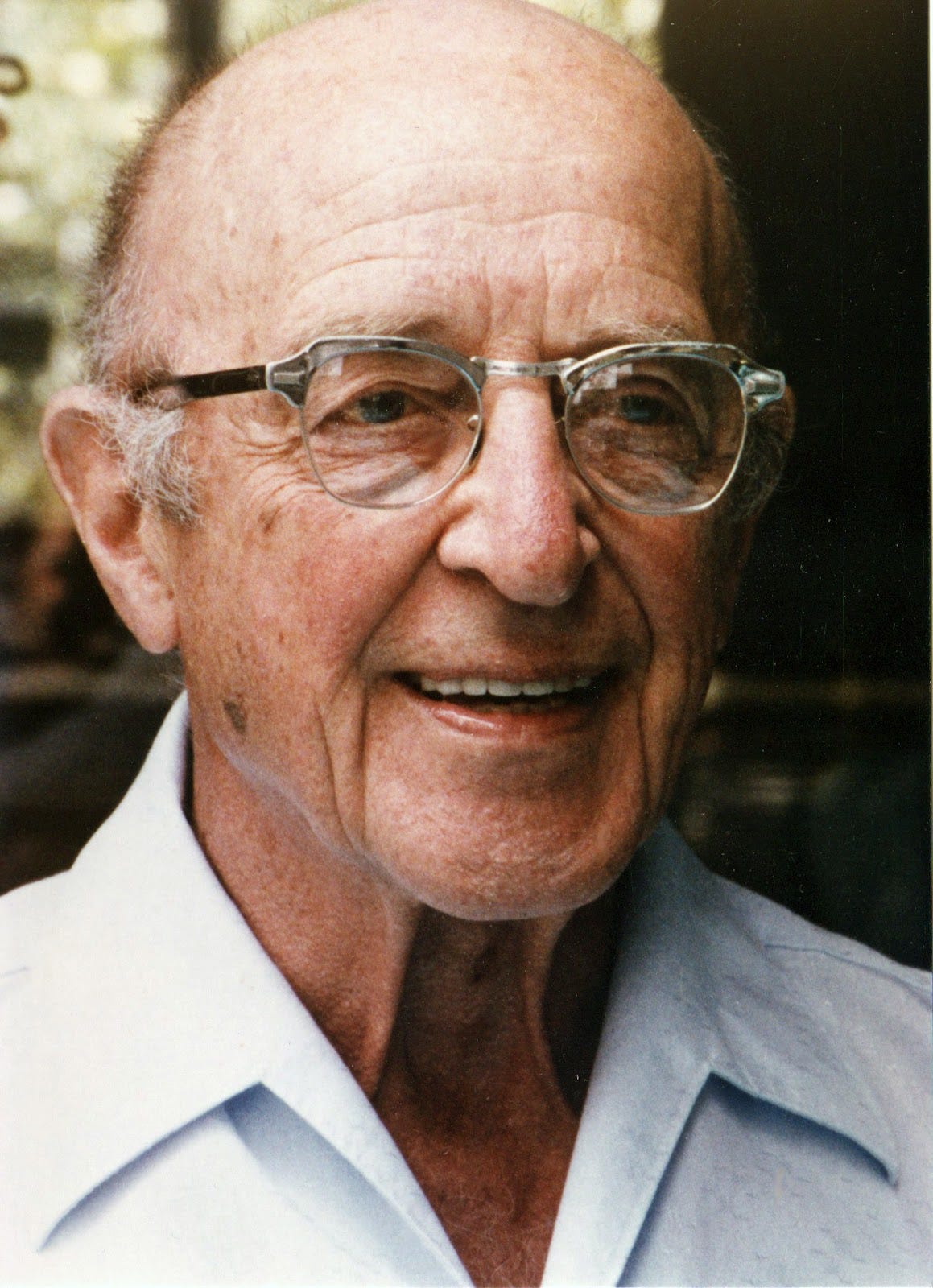
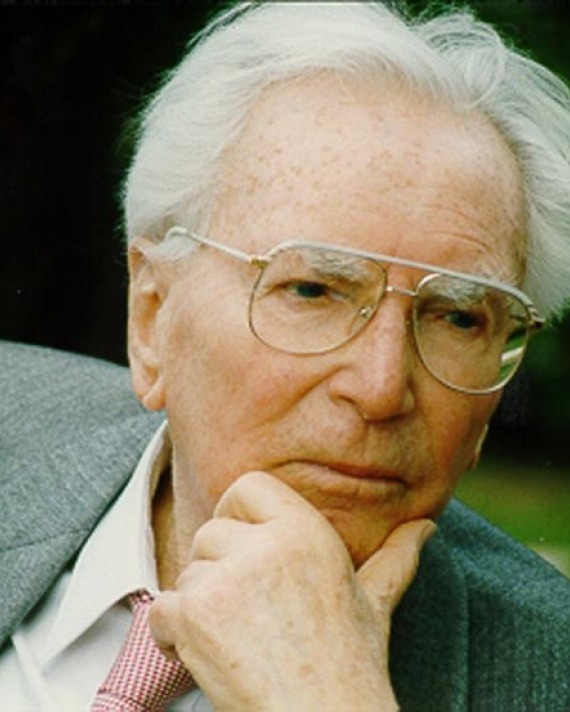
This category is anchored by Abraham Maslow’s foundational Hierarchy of Needs, culminating in the lifelong pursuit of self-actualization as the pinnacle of human potential. Carl Rogers further contributes with his person-centered approach, highlighting the innate “actualizing tendency” and the crucial role of unconditional positive regard and genuine relationships in fostering an individual’s growth towards a fully functioning self. Finally, Viktor Frankl introduces logotherapy, focusing on the human search for meaning as the primary motivational force in life, even in the face of suffering, thereby illuminating the profound resilience and existential dimensions of adult development. Together, these theorists offer a rich tapestry of perspectives on the human journey toward purpose, authenticity, and ultimate fulfillment.