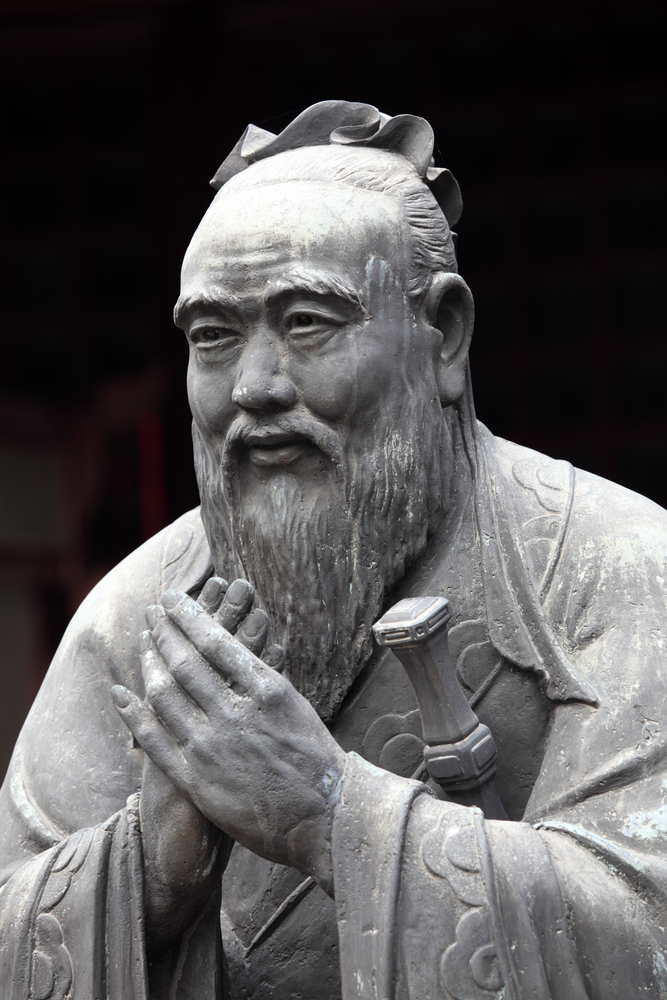
Confucius
Moral Cultivation and the Path to Sagehood
Confucius (c. 551–479 BCE) was a Chinese philosopher and teacher whose profound ethical and philosophical system, Confucianism, has profoundly shaped Chinese culture and thought for millennia. While not a psychologist in the modern sense, Confucius offered a systematic and lifelong approach to human development centered on moral cultivation, self-improvement, and the harmonious integration of the individual within family and society. His teachings outline a clear developmental journey from youth to mature ethical leadership, culminating in the ideal of the “junzi” (exemplary person) and ultimately, the sage.
Key Concepts and Contributions:
Ren (仁 - Benevolence/Humanity): This is the central concept in Confucianism, representing the ultimate virtue of humaneness or benevolence. It signifies treating others with compassion, empathy, and respect, acting as a morally good person. The development of Ren is a lifelong process of self-cultivation and is crucial for harmonious social relations.
Li (禮 - Ritual/Propriety): Li refers to the proper way of acting in any given situation, encompassing rituals, ceremonies, etiquette, and social norms. For Confucius, Li is not just about superficial rules but about internalizing respect and appropriate conduct, which shapes one’s character. Observing Li cultivates self-discipline and reinforces social harmony, moving an individual towards ethical maturity.
Yi (義 - Righteousness/Duty): Yi represents the moral disposition to do what is right and appropriate, not out of self-interest or external compulsion, but because it is morally correct. It involves making choices based on ethical principles and a sense of duty, aligning one’s actions with what is truly good. The development of Yi shows a progression from mere adherence to rules to an internalized moral compass.
Zhi (智 - Wisdom/Knowledge): Zhi is the understanding of right and wrong, the ability to discern the true nature of situations, and the practical wisdom to apply virtues effectively. It involves both intellectual understanding and practical judgment in moral matters.
Junzi (君子 - Exemplary Person/Noble Person): The “junzi” is the ideal human being in Confucianism, someone who embodies Ren, practices Li, acts with Yi, and possesses Zhi. The pursuit of becoming a junzi is a lifelong developmental endeavor, involving continuous self-reflection, learning, and striving for moral perfection. This ideal represents the highest form of adult ethical development within the Confucian framework.
Rectification of Names (正名 - Zhèngmíng): This concept emphasizes that words and titles should accurately reflect reality and the duties associated with them. Confucius believed that when individuals fulfill the responsibilities of their social roles (e.g., ruler, minister, father, son), society functions harmoniously. This highlights how individual development is intertwined with understanding and performing one’s social and interpersonal duties.
The Five Relationships (五倫 - Wǔlún): Confucius emphasized five fundamental relationships that form the basis of social order: ruler and subject, father and son, husband and wife, elder brother and younger brother, and friends. He believed that if individuals correctly understood and fulfilled their duties within these hierarchical (except for friends) and reciprocal relationships, social harmony would prevail. The cultivation of these relationships is a core aspect of adult social and relational development in Confucian thought.
Significance for Adult Development:
Confucius’s work holds immense significance for “World Wisdom Traditions” and adult development for several reasons:
-
Lifelong Moral Cultivation: Confucianism presents a clear, systematic model of lifelong moral and ethical development, emphasizing continuous self-improvement and the internalization of virtues throughout adulthood. It’s a journey from learning social rules to embodying ethical principles instinctively.
-
Social and Relational Development: The strong emphasis on the Five Relationships and the concept of Li (propriety) highlights how adult development is deeply embedded in social roles, family dynamics, and interpersonal conduct. It describes a path to mature social integration and harmonious relationships.
-
Integrated Ethical Self: The ideal of the junzi represents a mature adult who has integrated moral virtues (Ren, Yi, Li, Zhi) into their very being, acting ethically not out of external compulsion but from an internalized, authentic character. This provides a clear developmental goal for adults.
-
Education as Transformation: For Confucius, education was not merely about acquiring knowledge but about character formation and moral transformation, a continuous process applicable to all stages of adult life.
-
Emphasis on Practical Wisdom: His focus on practical ethics and appropriate conduct in daily life underscores the development of a lived wisdom that guides adult decision-making and interaction.
In summary, Confucius’s philosophy of Confucianism provides a comprehensive framework for lifelong moral and ethical development, emphasizing the cultivation of virtues like Ren, Li, Yi, and Zhi. His teachings outline a clear path towards becoming an exemplary person (junzi) through continuous self-improvement and the harmonious fulfillment of one’s roles within social and familial relationships, making him a foundational figure in understanding adult development through a world wisdom tradition lens.