Lifelong Cultivation, Meaning, and Transcendence Across Cultures
While much of the academic study of adult development has historically focused on Western psychological frameworks, a profound and comprehensive understanding of human growth across the lifespan necessitates looking to the rich philosophical and spiritual traditions found across the globe. World Wisdom Traditions offer unique and often ancient perspectives on what it means to be a developing adult, emphasizing not just psychological changes but also moral, ethical, spiritual, and communal cultivation. These traditions frequently outline systematic paths for lifelong learning, the pursuit of wisdom, the transformation of consciousness, and the individual’s journey towards ultimate meaning or liberation, often in deep relationship with a broader cosmic order or community. They frequently challenge linear views of development, highlighting cyclical processes, the integration of mind, body, and spirit, and the central role of lived experience and communal harmony.
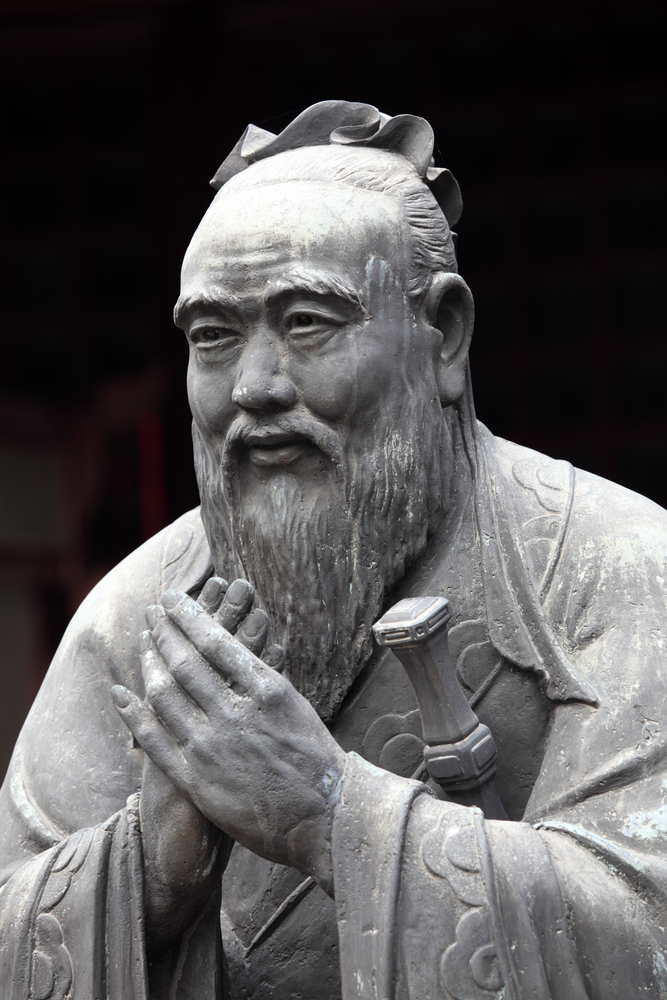
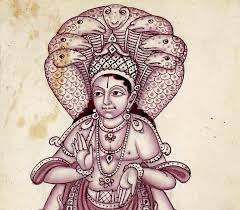
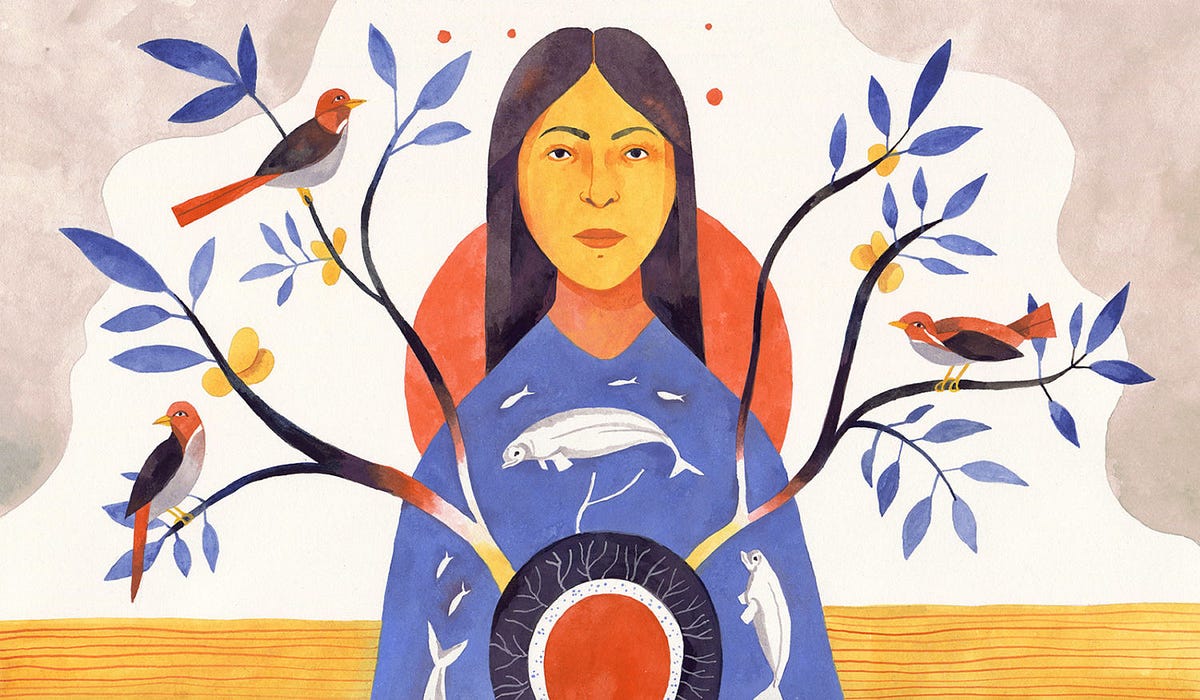
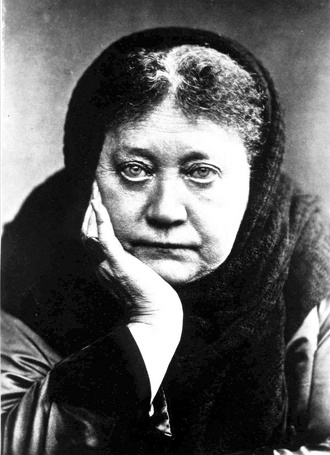
This category delves into the contributions of figures and traditions such as Confucius, who laid out a rigorous path of ethical self-cultivation and social harmony; The Buddha, whose teachings provide a developmental roadmap for achieving enlightenment and compassion; Patanjali, the compiler of the Yoga Sutras, offering a structured approach to purifying the mind and realizing higher consciousness; Sri Aurobindo, who envisioned an Integral Yoga for the complete evolution of human nature; and Helena Blavatsky, whose Theosophy explored cosmic and individual spiritual evolution. We also acknowledge the invaluable collective insights found within diverse Indigenous Wisdom Traditions, which emphasize interconnectedness, cyclical life patterns, the revered role of elders, and holistic well-being. These perspectives collectively expand our understanding of the multifaceted and culturally rich journey of adult development.