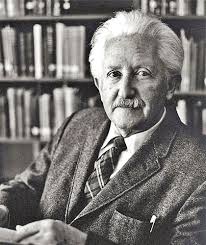
Erik Erikson
Psychosocial Development Across the Lifespan
Erik Erikson (1902-1994) was a German-American developmental psychologist and psychoanalyst who made a seminal contribution to the field by expanding Sigmund Freud’s psychosexual theory into a comprehensive psychosocial theory of development that spans the entire human lifespan. Unlike Freud, who largely saw personality as fixed by early childhood, Erikson proposed that development is a continuous process of negotiating social and emotional challenges from birth through old age. His work is characterized by its emphasis on the ego’s adaptive capacities and the critical role of social and cultural influences on identity formation.
Key Concepts and Contributions:
-
Psychosocial Stages: Erikson’s central contribution is his model of eight psychosocial stages, each characterized by a unique psychosocial crisis (a conflict or dilemma) that the individual must resolve. The successful resolution of each crisis leads to the development of a specific “ego strength” or “virtue,” contributing to a healthy sense of self and an adaptive personality. Unsuccessful resolution can lead to difficulties that carry forward into later stages. These stages are universal but influenced by cultural context.
-
Identity as a Lifelong Process: Erikson famously coined the term “identity crisis” and focused heavily on identity formation. While the core “identity vs. role confusion” crisis is central to adolescence, he viewed identity as something that is continually reshaped and re-evaluated throughout adulthood in response to new experiences and life challenges. The sense of self is dynamic, not static.
-
The Three Adult Stages: Erikson was one of the first major theorists to explicitly delineate distinct developmental stages dedicated to adulthood, giving significant psychological meaning to these later years:
-
Stage 6: Intimacy vs. Isolation (Early Adulthood: approximately 20s-early 40s)
-
Crisis: The primary task is to form deeply committed, loving, and reciprocal relationships with others, beyond the self-absorption of adolescence. This involves merging one’s identity with another without losing a sense of self.
-
Virtue: Successful resolution leads to the virtue of Love, characterized by mutuality, devotion, and sustained affection beyond momentary infatuation.
-
Failure: Inability to form meaningful intimate connections can lead to feelings of loneliness, alienation, and self-absorption (isolation).
-
Stage 7: Generativity vs. Stagnation (Middle Adulthood: approximately 40s-mid 60s)
-
Crisis: The central challenge is to contribute to society and guide the next generation. This often involves raising children, mentoring younger colleagues, being productive in one’s work, or engaging in community service. It’s about looking beyond oneself and one’s immediate family.
-
Virtue: Successful resolution leads to the virtue of Care, which is the widening concern for others and the desire to nurture and guide those who will follow.
-
Failure: A lack of generativity can result in feelings of personal impoverishment, self-indulgence, and a sense of having made no lasting contribution (stagnation or self-absorption). This can manifest as a “midlife crisis” if a person feels unfulfilled or adrift.
-
Stage 8: Ego Integrity vs. Despair (Late Adulthood: approximately mid 60s and beyond)
-
Crisis: The final psychosocial task involves reflecting on one’s life as a whole. The individual engages in a life review, assessing their choices, achievements, and relationships.
-
Virtue: Successful resolution leads to Wisdom, characterized by a serene acceptance of one’s life as having been meaningful, coherent, and necessary, including its triumphs and disappointments. It’s a sense of wholeness and peace.
-
Failure: If an individual looks back with significant regrets, feels their life was wasted, or views unfulfilled goals with bitterness, it can lead to feelings of profound sadness, bitterness, and hopelessness (despair) about the past and the impending end of life.
Significance for Adult Development:
Erikson’s theory holds immense significance for adult development for several reasons:
-
Lifelong Development: He was a primary driver in establishing the lifespan perspective in psychology, explicitly demonstrating that personality and identity continue to evolve well beyond childhood.
-
Social Context: His emphasis on the psychosocial nature of development highlights how societal expectations, roles, and relationships are crucial forces shaping individual growth throughout adulthood.
-
Meaning and Purpose: His stages frame adult life around core psychological challenges related to love, work, and legacy, providing a framework for understanding the search for meaning and purpose in later life.
-
Influence on Other Theories: Erikson’s work has been incredibly influential, providing a foundational framework for many subsequent theories of adult development and inspiring extensive research into identity, intimacy, generativity, and successful aging.
In summary, Erik Erikson provided a powerful and enduring model of psychosocial development that made adulthood a central and meaningful focus of developmental psychology, outlining key emotional and social tasks that shape personality and well-being across the entire lifespan.