Unconscious Processes, Early Experience, and Lifelong Patterns
The category of Psychodynamic / Psychoanalytic Development delves into the intricate depths of the human psyche, positing that adult personality, behavior, and relational patterns are profoundly shaped by unconscious forces, early life experiences, and unresolved internal conflicts. Moving beyond purely conscious thought, these theories explore the enduring influence of childhood dynamics, defense mechanisms, and the development of the self and object relations on an individual’s journey throughout the lifespan. This perspective emphasizes that adult development involves grappling with unconscious drives, integrating past experiences, and evolving patterns of relating to oneself and others.
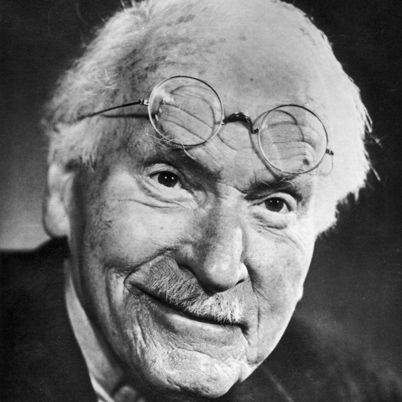
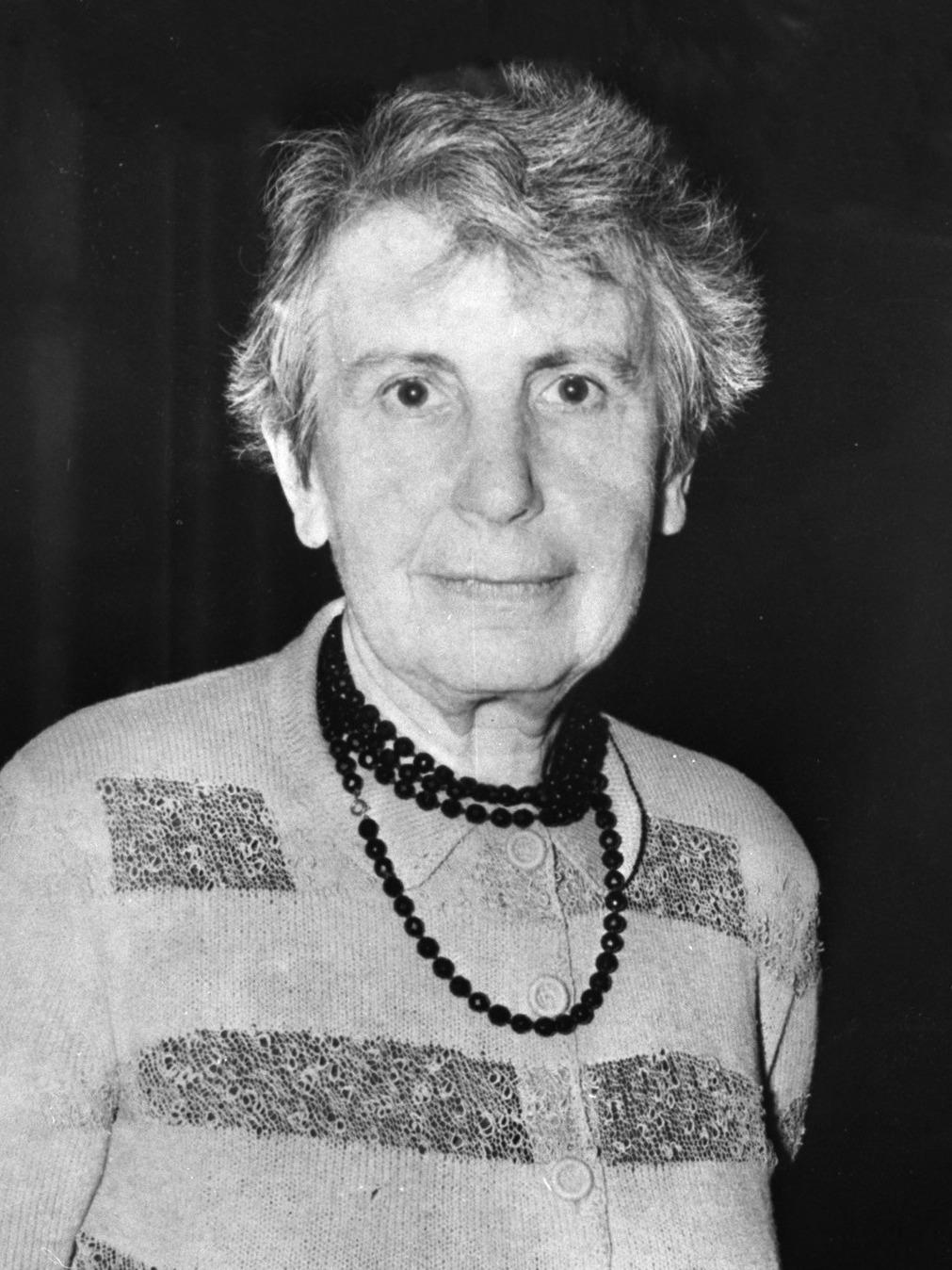
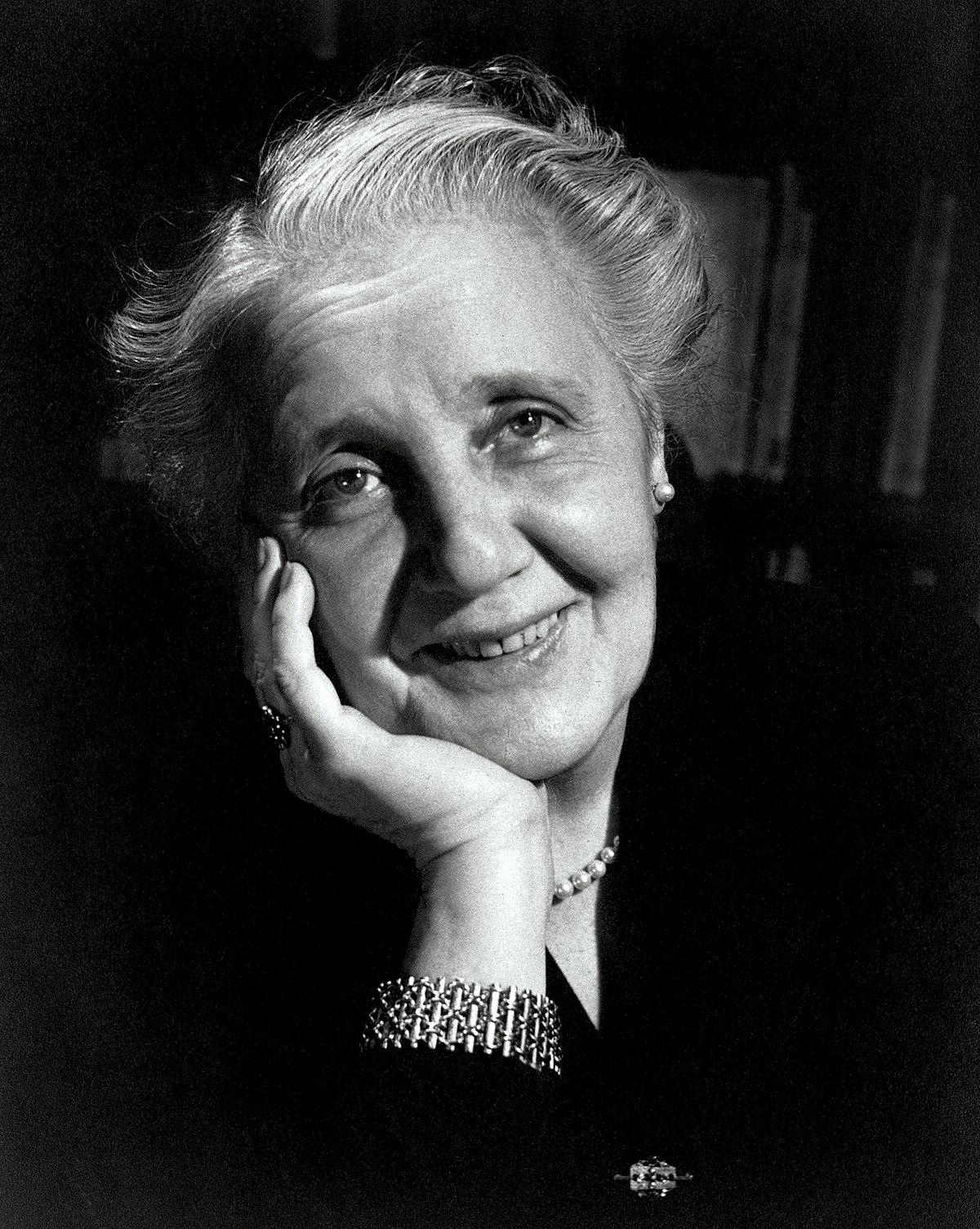
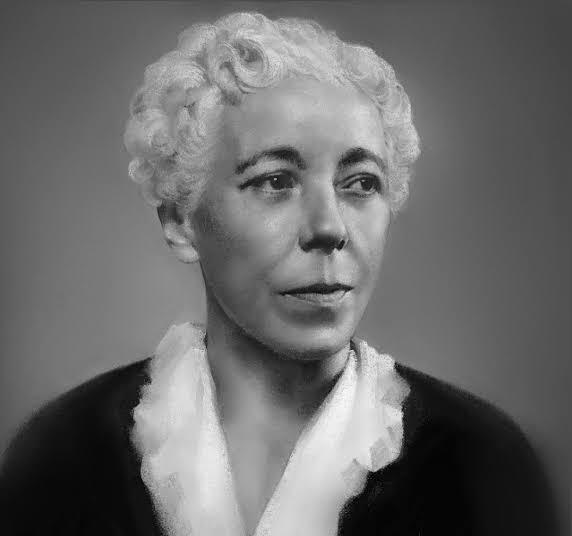
This category includes the transformative work of Carl Jung, whose Analytical Psychology proposed a lifelong process of individuation—the integration of conscious and unconscious aspects of the self, often involving archetypes and a collective unconscious. Anna Freud significantly contributed to ego psychology, detailing the various defense mechanisms individuals employ to manage anxiety and internal conflict, which continue to operate in adulthood. Melanie Klein pioneered early Object Relations Theory, emphasizing the profound impact of very early infant-mother relationships and internal “objects” on the developing psyche and adult relational patterns. Karen Horney, a prominent Neo-Freudian, challenged deterministic views by highlighting the role of cultural influences on neuroses and the pursuit of a “real self” amidst anxieties. Heinz Kohut developed Self Psychology, focusing on the crucial role of mirroring and idealization in the formation and maintenance of a cohesive sense of self, and how breakdowns in these “selfobject” experiences impact adult well-being. D.W. Winnicott further enriched Object Relations theory with concepts like the “good-enough mother,” the True Self and False Self, and the transitional object, illuminating the environmental provision necessary for authentic self-development in early life and its reverberations in adulthood. While also categorized for his broader lifespan and social contributions, Erik Erikson is a cornerstone here for his psychosocial stages, which delineate lifelong ego identity formation through the resolution of psychosocial crises. Finally, Harry Stack Sullivan introduced the Interpersonal Theory of Psychiatry, emphasizing that personality is almost entirely a product of interpersonal relationships, highlighting the continuous development and refinement of the self through social interactions across the entire lifespan. Together, these theorists offer profound insights into the unconscious forces and relational histories that shape the unique and evolving psychological landscape of the adult.