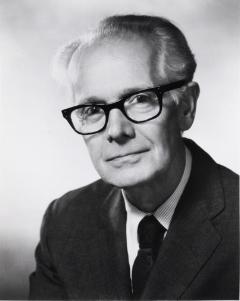
Heinz Kohut
The Founder of Self Psychology and the Psychology of the Self
Heinz Kohut (1913-1981) was an Austrian-born American psychoanalyst who developed Self Psychology, a distinct and highly influential school of thought within the psychodynamic tradition. Diverging from classical Freudian theory’s emphasis on drives and conflicts, Kohut placed the self at the very center of psychological life. His work revolutionized the understanding of narcissism and offered a new framework for comprehending adult identity, self-esteem regulation, and the dynamics of relationships.
Key Contributions to Adult Development:
-
The Self as a Core Psychological Structure: For Kohut, the self is not merely a component of the ego, but the central organizing and integrating structure of the personality. It is the core of an individual’s sense of identity, cohesion, and vitality. Psychological health, in Kohut’s view, depends on the development and maintenance of a cohesive and vital self.
-
Selfobjects and Lifelong Selfobject Needs: This is Kohut’s most innovative concept. Selfobjects are people (or even objects or activities) who, by their presence or actions, fulfill essential psychological functions for the self, helping to maintain its cohesion, vitality, and sense of worth. Critically, Kohut argued that selfobject needs are not just infantile but persist throughout the entire lifespan. Adults continue to rely on selfobjects to support their self-esteem and sense of well-being.
-
Mirroring Selfobjects: Fulfill the need for validation, affirmation, and recognition of one’s unique talents and worth. In childhood, this comes from a parent’s admiring “gleam in the eye.” In adulthood, it might be found in supportive friends, appreciative colleagues, or a responsive audience.
-
Idealizing Selfobjects: Fulfill the need to merge with figures perceived as powerful, wise, calm, or perfect, providing a sense of strength, security, and guidance. In childhood, this is often an idealized parent. In adulthood, this could be a revered mentor, a spiritual leader, or even an inspiring cultural figure.
-
Twinship (Alter Ego) Selfobjects: Fulfill the need to feel a sense of likeness, belonging, and shared humanity with others. This provides a sense of being understood and part of a larger group. In adulthood, this might be found in close friends, a spouse, or members of a shared community or profession.
-
Optimal Frustration and Transmuting Internalization: Healthy development of the self occurs through optimal frustrations. When selfobject needs are not met perfectly but are instead met with tolerable, non-traumatic frustrations, the individual gradually internalizes the selfobject function. This process, called transmuting internalization, transforms external support into internal psychological structures (e.g., self-soothing capacity, stable self-esteem, realistic ambitions).
-
Narcissism as a Developmental Line: Unlike Freud, who viewed narcissism primarily as pathological self-love or a fixation, Kohut reconceptualized it as a normal and essential developmental line. Healthy narcissism, when adequately supported by selfobjects, evolves into realistic ambition, self-esteem, ideals, and a sense of purpose.
-
Pathology of the Self: Psychological problems, particularly narcissistic personality disorder and other forms of self-fragility, arise from failures in the early selfobject environment (e.g., a lack of empathic mirroring, idealization, or twinship experiences). These “selfobject failures” lead to a fragmented, vulnerable, or starved self. In adulthood, such individuals may display grandiosity and arrogance (as a defensive facade) or chronic feelings of emptiness, shame, rage, and a desperate search for external validation.
-
Empathy as a Therapeutic Tool: Kohut emphasized empathy as the primary mode of observation and intervention in therapy. By empathically attuning to the patient’s subjective experience, the therapist can act as a temporary selfobject, helping to repair developmental deficits and facilitate the resumption of arrested self-development.
Significance for Adult Development:
Kohut’s contributions are immensely significant for understanding adult development because:
-
Lifelong Selfobject Needs: He argued that the need for selfobjects persists throughout the entire lifespan, explaining why adults continue to seek affirming relationships, inspiring figures, and a sense of belonging for their ongoing psychological well-being.
-
Narcissism Reconceptualized: He transformed the understanding of narcissism from a purely pathological state to a spectrum of self-experience crucial for healthy development, offering a framework for addressing fragile self-esteem and identity issues in adulthood.
-
Focus on the Self’s Cohesion: His theory provides a direct lens for understanding why adults might struggle with feelings of emptiness, fragmentation, or a lack of purpose, linking these to deficits in the development or maintenance of a cohesive self.
-
Empathy in Relationships: His emphasis on empathy highlights its crucial role not just in therapy but in all healthy interpersonal relationships, which continue to foster psychological growth in adulthood.
In essence, Heinz Kohut’s Self Psychology offers a profound and optimistic vision of human development, emphasizing the lifelong journey of building and maintaining a cohesive and vital self through sustained, empathic selfobject relationships.