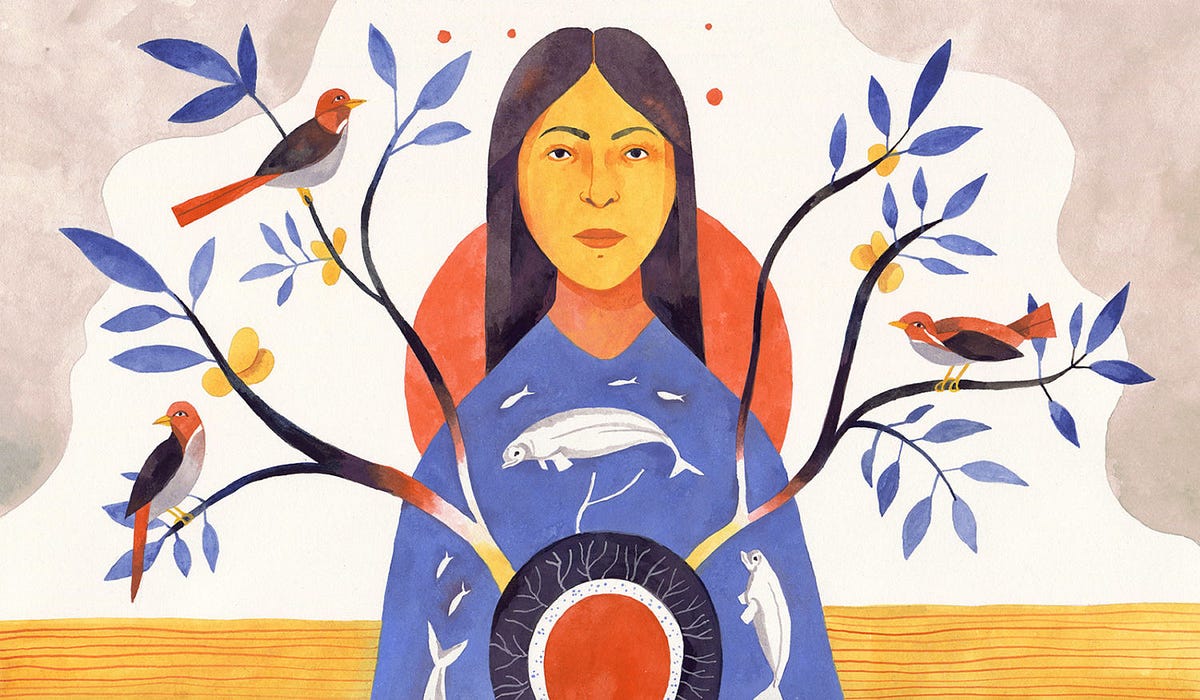
Indigenous Wisdom Traditions
Cyclical Development, Interconnectedness, and Community Flourishing
Indigenous Wisdom Traditions encompass a vast and diverse array of knowledge systems, spiritual practices, and ways of life from aboriginal peoples across the globe – including but not limited to Native American, African, Aboriginal Australian, Māori, and various tribal cultures worldwide. Unlike Western academic theories that often pinpoint individual theorists or linear stages, these traditions represent collective, orally transmitted, and lived philosophies that emphasize humanity’s profound relationship with nature, community, and the spiritual realm. They offer rich, holistic perspectives on adult development, often rooted in cyclical views of time, a deep reverence for elders, and a focus on the continuous cultivation of wisdom, responsibility, and interconnectedness throughout the lifespan.
Key Concepts and Contributions:
Cyclical vs. Linear Development: Many Indigenous traditions view development as fundamentally cyclical, mirroring the cycles of nature (seasons, moon phases, life/death/rebirth). This contrasts with linear Western models that often depict a progression towards a fixed peak of achievement. For adults, this means understanding life as a continuous journey of learning, adapting, and returning to foundational truths, with each phase offering unique lessons and roles. Aging is not merely decline but a vital part of the cycle, leading to new forms of contribution.
Interconnectedness and Relationality: A pervasive theme is the concept of deep interconnectedness – “all my relations.” Individuals are seen not as isolated entities, but as inextricably linked to family, community, ancestors, future generations, the land, animals, and the spiritual world. Adult development is thus inherently relational and communal, emphasizing the growth of responsibilities towards the collective and the environment. Wisdom is often understood as the capacity to perceive and act in accordance with these interconnected relationships.
Rites of Passage: Many Indigenous cultures utilize formal and informal rites of passage that mark significant transitions in adult life (e.g., from youth to warrior/provider, from maiden to mother, into elderhood). These rituals serve crucial developmental functions:
-
Identity Formation: Acknowledging and solidifying new social roles and responsibilities.
-
Skill Acquisition: Imparting necessary knowledge and skills for new life stages.
-
Community Integration: Reinforcing an individual’s place within the collective and their duties to it.
-
Spiritual Awakening: Deepening connection to spiritual dimensions and ancestral wisdom. These passages highlight that adult development is often a culturally guided process of integrating personal growth with communal expectations.
The Central Role of Elders: Elders hold a revered position as custodians of wisdom, knowledge, and tradition. They are active participants in guiding the development of younger generations, transmitting cultural values, and mediating disputes. The journey to elderhood is a significant developmental path itself, involving the accumulation of life experience, spiritual maturity, and a deepening capacity for mentorship and stewardship. This contrasts with some Western views where older adults may experience social marginalization.
Holistic Development and Balance: Indigenous traditions typically embrace a holistic view of human beings, recognizing the inseparable connection between the physical, mental, emotional, and spiritual aspects of self. Development involves striving for balance and harmony across these dimensions, often guided by spiritual practices, storytelling, song, and connection to the land. Psychological well-being is often tied to this sense of internal and external balance.
Wisdom as Lived Experience and Stewardship: Wisdom is rarely theoretical; it is a quality forged through lived experience, keen observation, community participation, and spiritual insight. It involves understanding natural laws, social dynamics, and one’s place within the cosmos. Adults develop wisdom through facing challenges, learning from mistakes, and contributing to the well-being and continuity of their community and the land.
Significance for Adult Development:
Indigenous Wisdom Traditions hold immense significance for adult development for several reasons:
-
Expanded Developmental Paradigms: They challenge Western psychology’s often individualistic, linear, and youth-centric biases, offering alternative models that emphasize interdependence, cyclical processes, and collective well-being as central to adult growth.
-
Valuing Elderhood and Aging: These traditions provide powerful frameworks for understanding the profound developmental significance of later life, positioning aging not as decline but as a respected stage of accumulating wisdom, mentorship, and continued contribution to the community.
-
Holistic Well-being: They underscore the importance of integrating mind, body, spirit, and community for adult flourishing, offering a more comprehensive vision of what it means to be a “developed” person than purely psychological or cognitive models.
-
Contextualizing Meaning-Making: These traditions highlight how an individual’s search for meaning is deeply embedded in their cultural narrative, ancestral ties, and relationship with the land, providing a rich, situated understanding of purpose in adulthood.
-
Promoting Ecological and Social Responsibility: By emphasizing interconnectedness, they inherently link individual adult development with ecological stewardship and social responsibility, suggesting that mature human functioning involves a deep commitment to the well-being of the broader world.
In summary, Indigenous Wisdom Traditions offer invaluable and diverse perspectives on adult development, moving beyond individualistic and linear models to emphasize cyclical growth, profound interconnectedness, and the central role of community and nature. They highlight the developmental significance of rites of passage and the revered status of elders, providing holistic frameworks for the lifelong cultivation of wisdom, responsibility, and harmonious living for both the individual and the collective.