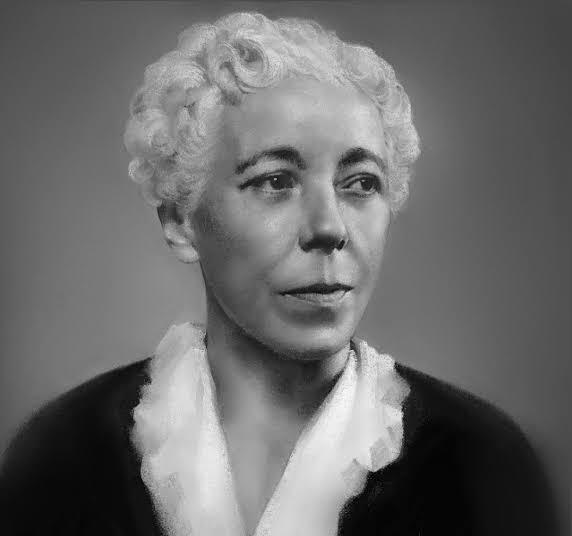
Karen Horney
Architect of Sociocultural Psychoanalysis and the Search for the Real Self
Karen Horney (188501952) was a German-American psychoanalyst and a leading figure in the neo-Freudian movement. She profoundly challenged classical Freudian theory, particularly its biological and instinctual determinism and its patriarchal views on female psychology. Horney argued that social and cultural factors, especially early interpersonal relationships, are the primary shapers of personality development and the root cause of neurosis. Her work offers a highly relevant framework for understanding adult personality, relationship dynamics, and the pursuit of authentic selfhood.
Key Contributions to Adult Development:
-
Basic Anxiety and Basic Hostility: Horney posited that a child’s feeling of being isolated and helpless in a potentially hostile world gives rise to “basic anxiety.” This anxiety is largely a result of parental behaviors that are inconsistent, rejecting, overprotective, or indifferent. When children are prevented from expressing their legitimate anger or frustration towards their parents for these experiences, this anger becomes repressed, leading to “basic hostility.”
-
Relevance to Adults: These deep-seated feelings of basic anxiety and basic hostility form the core of neurotic development. In adulthood, individuals carry these unresolved anxieties, which unconsciously drive their behavior and relationship patterns, often leading to maladaptive coping strategies in their effort to feel safe and loved.
-
Neurotic Needs and Trends (Interpersonal Coping Strategies): To cope with basic anxiety and basic hostility, individuals develop “neurotic needs”—rigid, indiscriminate, and compulsive strategies for relating to others that are detached from genuine feelings. Horney grouped these into three main “neurotic trends” or “solutions,” which are clearly observable in adult personalities and relationships:
-
Moving Towards People (Compliance): Driven by an intense need for affection and approval, these individuals become excessively compliant, self-effacing, and dependent. They seek to overcome anxiety by gaining others’ love, often at the expense of their own needs and boundaries. In adulthood, this might manifest as being a “people-pleaser,” avoiding conflict, or being overly submissive in relationships.
-
Moving Against People (Aggression): These individuals seek power, control, and mastery over others. They believe life is a struggle where one must be strong and dominant to survive. Their anxiety is managed by exploiting others and striving for prestige and personal admiration. In adulthood, this could appear as being highly competitive, manipulative, arrogant, or dismissive of others’ feelings.
-
Moving Away From People (Detachment): These individuals cope by withdrawing emotionally and seeking self-sufficiency, independence, and emotional distance. They fear intimacy and commitment, believing that emotional involvement leads to hurt. In adulthood, this might manifest as being aloof, isolated, avoiding deep relationships, or constantly seeking autonomy.
-
Relevance to Adults: Horney emphasized that these trends are rigid and compulsive, preventing authentic engagement with others. Adult neuroses are characterized by the dominance of one or more of these trends, limiting flexibility and leading to recurring interpersonal difficulties and a sense of inner conflict.
-
The Real Self vs. The Idealized Self (“The Tyranny of the Shoulds”):
-
Horney believed that central to neurosis is a fundamental conflict between the “real self” and the “idealized self.”
-
Real Self: The unique, healthy core of the individual with inherent capacities for growth, spontaneity, and self-realization.
-
Idealized Self: An unrealistic, glorified image of oneself created to compensate for feelings of inadequacy and worthlessness stemming from basic anxiety. The neurotic individual strives compulsively to live up to this unattainable image.
-
This striving to live up to the idealized self creates a “tyranny of the shoulds” (“I should be perfect,” “I should always be right,” “I should never need anyone”), leading to self-alienation, inner division, and a pervasive sense of inadequacy despite external achievements.
-
Relevance to Adults: Much of adult neurotic suffering, for Horney, stems from this internal conflict. Healthy adult development involves abandoning the neurotic pursuit of the idealized self and moving towards self-realization – the active cultivation of one’s innate potential and the actualization of the real self. Therapy aims to help adults recognize their real self, accept their imperfections, and develop genuine, flexible ways of relating to themselves and others.
Significance for Adult Development:
Karen Horney’s work is profoundly significant for adult development because:
-
Social Determinism: She shifted the focus from innate drives to the lifelong impact of social and cultural relationships on personality formation and adult neurotic patterns.
-
Emphasis on Self-Realization: Her theory directly addresses the adult journey towards authenticity and psychological health, defining it as the process of discovering and actualizing the real self by overcoming neurotic tendencies.
-
Interpersonal Theory: She provided a rich framework for understanding adult relationship difficulties as manifestations of underlying neurotic needs and coping strategies formed in response to early anxiety.
-
Feminist Psychology: Her critiques of Freudian theory paved the way for more nuanced and non-gender-biased understandings of personality development.
In essence, Karen Horney offered a compelling psychodynamic perspective on how the social environment shapes personality, laying out a theory of adult neuroses as maladaptive coping mechanisms and emphasizing the lifelong potential for individuals to grow towards their authentic, real selves.