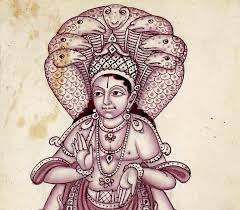
Patanjali
The Eight Limbs of Yoga and the Path to Self-Realization
Patanjali is a revered sage in the Hindu tradition, widely considered the compiler of the Yoga Sutras (estimated between 200 BCE and 400 CE). While his historical identity remains somewhat debated, the Yoga Sutras represent a foundational text of Yoga philosophy, particularly Raja Yoga (the “royal” path of mental control). This ancient text provides a systematic and comprehensive framework for psychological and spiritual development, outlining a step-by-step path—the Ashtanga Yoga or Eight Limbs of Yoga—designed to purify the mind, cultivate inner discipline, and ultimately lead to Kaivalya (liberation or ultimate freedom) and Samadhi (states of meditative absorption and self-realization). It offers a clear, structured journey of transformation for individuals seeking profound psychological and spiritual maturity.
Key Concepts and Contributions:
The Yoga Sutras: This concise text comprises approximately 196 aphorisms that systematically explain the theory and practice of Yoga. Its central purpose is to provide a practical guide for stilling the fluctuations of the mind (chitta vritti nirodha), enabling the individual to experience their true nature, which is pure consciousness (Purusha), distinct from the material world and the mind’s modifications.
Ashtanga Yoga (The Eight Limbs of Yoga): This is Patanjali’s core developmental framework, presenting a sequential and integrated path for self-transformation. It progresses from ethical conduct to profound meditative absorption:
-
Yamas (Ethical Restraints): Universal moral commandments that guide an individual’s interaction with the external world and others. These include non-violence (ahimsa), truthfulness (satya), non-stealing (asteya), chastity/right use of energy (brahmacharya), and non-possessiveness (aparigraha). These establish a foundation for ethical adult living.
-
Niyamas (Personal Observances): Individual ethical disciplines for self-purification and self-development. These include purity (saucha), contentment (santosha), austerity/discipline (tapas), self-study (svadhyaya), and surrender to a higher power (Ishvara pranidhana). These cultivate internal discipline and a growth mindset.
-
Asana (Postures): Physical postures practiced to bring stability to the body and mind, making them fit for meditation.
-
Pranayama (Breath Control): Disciplined control of the breath to regulate vital energy and steady the mind.
-
Pratyahara (Sense Withdrawal): Withdrawing the senses from external objects, turning attention inward.
-
Dharana (Concentration): Focusing the mind on a single point or object, developing sustained attention.
-
Dhyana (Meditation): Sustained and effortless concentration, where the mind flows continuously towards the object of meditation.
-
Samadhi (Absorption/Enlightenment): The ultimate state of union, where the meditator’s consciousness merges with the object of meditation, leading to profound insight and self-realization. This is the culmination of the developmental journey, marked by liberation.
Kleshas (Afflictions): Patanjali identifies five core afflictions or obstacles that hinder human development and spiritual progress: ignorance, egoism, attachment, aversion, and the fear of death. The practice of Yoga is designed to overcome these Kleshas and purify the mind.
Significance for Adult Development:
Patanjali’s work holds immense significance for the “World Wisdom Traditions” and adult development for several reasons:
-
Structured Path of Self-Transformation: The Ashtanga Yoga provides one of the most ancient and detailed developmental blueprints for adult transformation, moving from ethical behavior and physical discipline to profound shifts in consciousness and self-realization. It is a systematic process of personal mastery.
-
Holistic Development: The Eight Limbs encompass ethical, physical, mental, and spiritual dimensions, illustrating a holistic approach to adult growth that integrates mind, body, and spirit—a concept increasingly valued in contemporary developmental psychology.
-
Cultivation of Inner Qualities: Patanjali’s emphasis on cultivating virtues (Yamas, Niyamas) and mental control (Dharana, Dhyana) directly relates to the development of emotional regulation, self-awareness, and cognitive mastery in adults, which are key aspects of psychological maturity.
-
Meaning-Making and Liberation: The ultimate goal of Yoga (Samadhi/Kaivalya) addresses the profound human quest for meaning, purpose, and liberation from suffering. It offers a developmental trajectory aimed at transcending conventional consciousness to experience a deeper reality and profound inner freedom.
-
Influence on Global Wellness: The practical application of Patanjali’s teachings has profoundly influenced global wellness practices, mindfulness, and contemplative approaches to mental health, which are increasingly recognized for their role in promoting adult well-being and growth.
In summary, Patanjali’s Yoga Sutras offer a foundational framework for understanding adult development within World Wisdom Traditions. Through the systematic practice of Ashtanga Yoga, he details a lifelong, progressive journey of ethical discipline, mental purification, and the cultivation of higher states of consciousness, ultimately leading to self-realization and liberation—a comprehensive path for profound adult transformation.