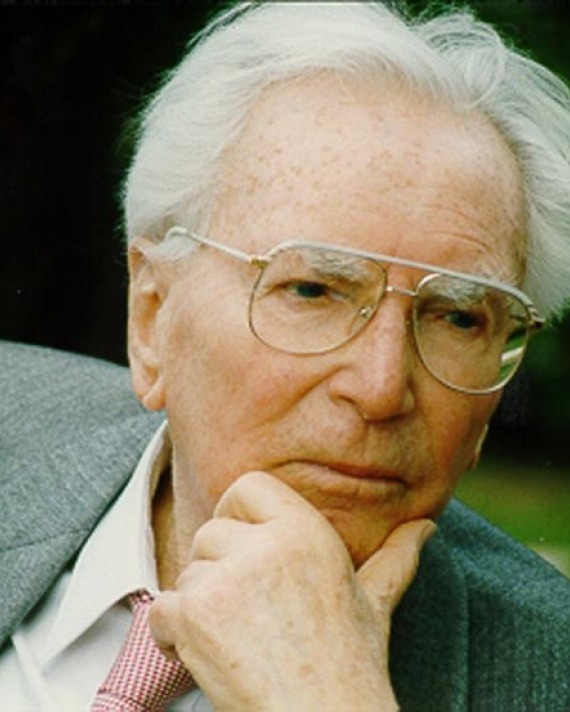
Viktor Frankl
Logotherapy and the Search for Meaning
Viktor E. Frankl (1905–1997) was an Austrian neurologist, psychiatrist, and Holocaust survivor, who is the founder of logotherapy, a school of existential psychotherapy. Frankl’s work uniquely focuses on the human search for meaning as the primary motivational force in life. Drawing from his own harrowing experiences in concentration camps, he argued that even in the most dire circumstances, individuals possess the freedom to choose their attitude and find meaning, thus contributing significantly to our understanding of human resilience and the existential dimension of adult development.
Key Concepts and Contributions:
The Will to Meaning: Frankl challenged Freud’s “will to pleasure” and Adler’s “will to power,” proposing that the deepest human drive is the “will to meaning.” He believed that finding a unique purpose and meaning in life is essential for psychological well-being and is the primary force that motivates individuals. When this will to meaning is frustrated, it can lead to what he called “existential vacuum” (a feeling of emptiness, lack of purpose, or meaninglessness), which he saw as a significant source of neuroses in modern society.
Meaning Can Be Found in Three Ways: Frankl posited that meaning is not something we invent but something we discover. He identified three primary paths to discovering meaning:
-
Through creating a work or doing a deed: Achieving something, contributing creatively (e.g., through a career, a project, raising a family).
-
Through experiencing something or encountering someone: Experiencing beauty (e.g., art, nature), truth, goodness, or love for another person.
-
Through the attitude we take toward unavoidable suffering: Even when facing unavoidable suffering (e.g., illness, loss, injustice), individuals can find meaning in their attitude, choice, and courage. This is where human freedom and dignity are most profoundly expressed.
Tragic Optimism: Frankl famously articulated “tragic optimism,” the ability to remain optimistic and find meaning even in the face of the “tragic triad” of human existence: pain, guilt, and death. This concept highlights the human capacity for resilience and spiritual growth even in suffering.
Self-Transcendence: A core concept in logotherapy, self-transcendence is the human capacity to reach beyond oneself, to find meaning in something greater than oneself (a cause, another person, a higher purpose). Frankl believed that true fulfillment comes from dedicating oneself to something outside of egoistic concerns.
Significance for Adult Development:
Frankl’s work holds immense significance for Existential/Humanistic Developmental theory for several reasons:
-
Meaning-Making as a Lifelong Quest: He fundamentally positioned the search for meaning as a central and continuous developmental task throughout adulthood. This quest is not limited to a particular age but is an ongoing process shaped by life experiences, challenges, and choices.
-
Resilience and Growth Through Adversity: Frankl’s personal experiences and theoretical framework offer profound insights into how adults can find growth, purpose, and even joy in the face of immense suffering and unavoidable limitations. This speaks to the developmental capacity for resilience and spiritual maturation.
-
Existential Challenges in Adulthood: His concept of the “existential vacuum” illuminates a common developmental challenge in modern adulthood—a sense of emptiness or lack of purpose despite material comfort—and points to the need for meaning-oriented pursuits.
-
Freedom and Responsibility in Development: Frankl emphasizes the radical freedom adults have to choose their attitude and find meaning, regardless of circumstances. This highlights personal responsibility as a key developmental aspect, empowering individuals to shape their own existential journey.
-
Transcendence as a Developmental Dimension: By introducing the concept of self-transcendence, Frankl points to a higher dimension of adult development where individuals move beyond self-interest to find purpose and fulfillment in serving a greater cause or connecting with something beyond themselves.
In summary, Viktor Frankl’s logotherapy is a cornerstone of Existential/Humanistic Developmental theory, emphasizing the human search for meaning as the primary motivator for adult life. His work provides profound insights into how adults can discover meaning through creativity, experience, and the attitude taken toward unavoidable suffering, fostering resilience, self-transcendence, and a sense of purpose throughout the entire lifespan.