The Development of Thinking, Reasoning, Problem-Solving, and Mental Structures
The human mind is a remarkable architect, constantly building and refining the mental structures that enable us to understand, interpret, and interact with the world. Cognitive Development is the field dedicated to exploring this profound journey—the systematic, sequential, and often hierarchical changes in our thinking, reasoning, problem-solving abilities, and the underlying mental structures that support them. This area of inquiry delves into how individuals construct knowledge, move from simpler to more complex forms of thought, and adapt their intellectual capacities across the lifespan.
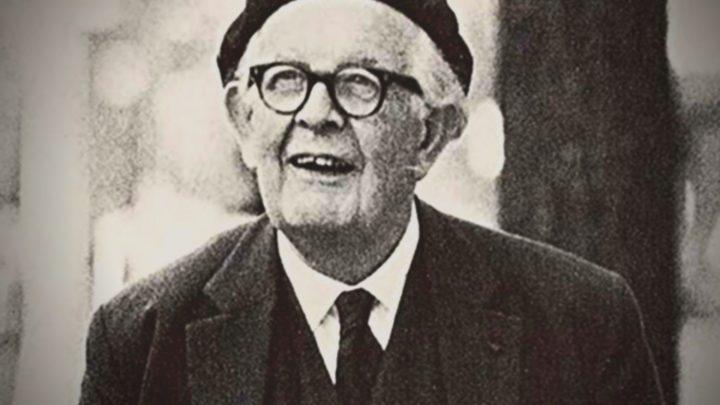
At the bedrock of this understanding lies the seminal work of Jean Piaget, whose groundbreaking theories of cognitive stages illuminated how children actively construct their understanding through interaction with their environment. While Piaget provided the essential blueprint, subsequent theorists have expanded, refined, and challenged aspects of his model, leading to a rich and diverse landscape of perspectives.
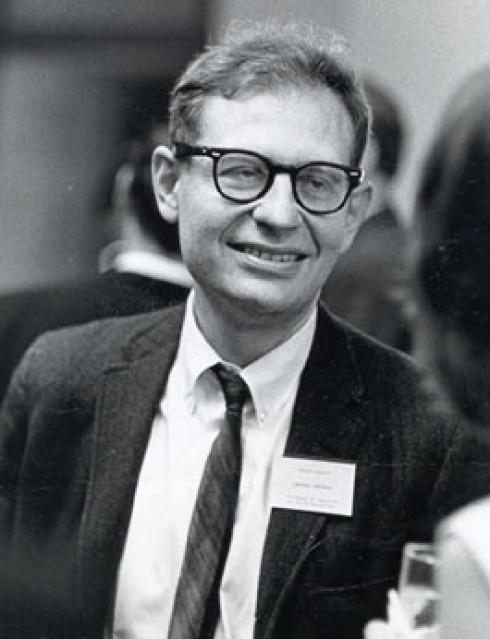
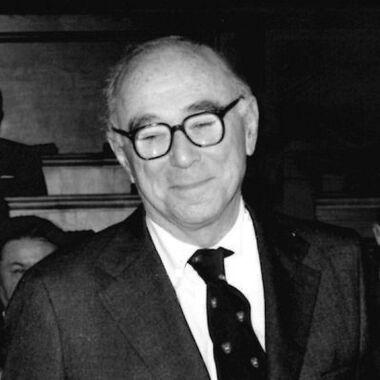
This section will delve into the contributions of key figures who have shaped our understanding of cognitive growth. We will examine Jerome Bruner’s insights into modes of representation and the social scaffolding of learning, and Lawrence Kohlberg’s extension of stage theory into the moral domain, revealing how reasoning about ethics evolves in parallel with general cognitive capacities.
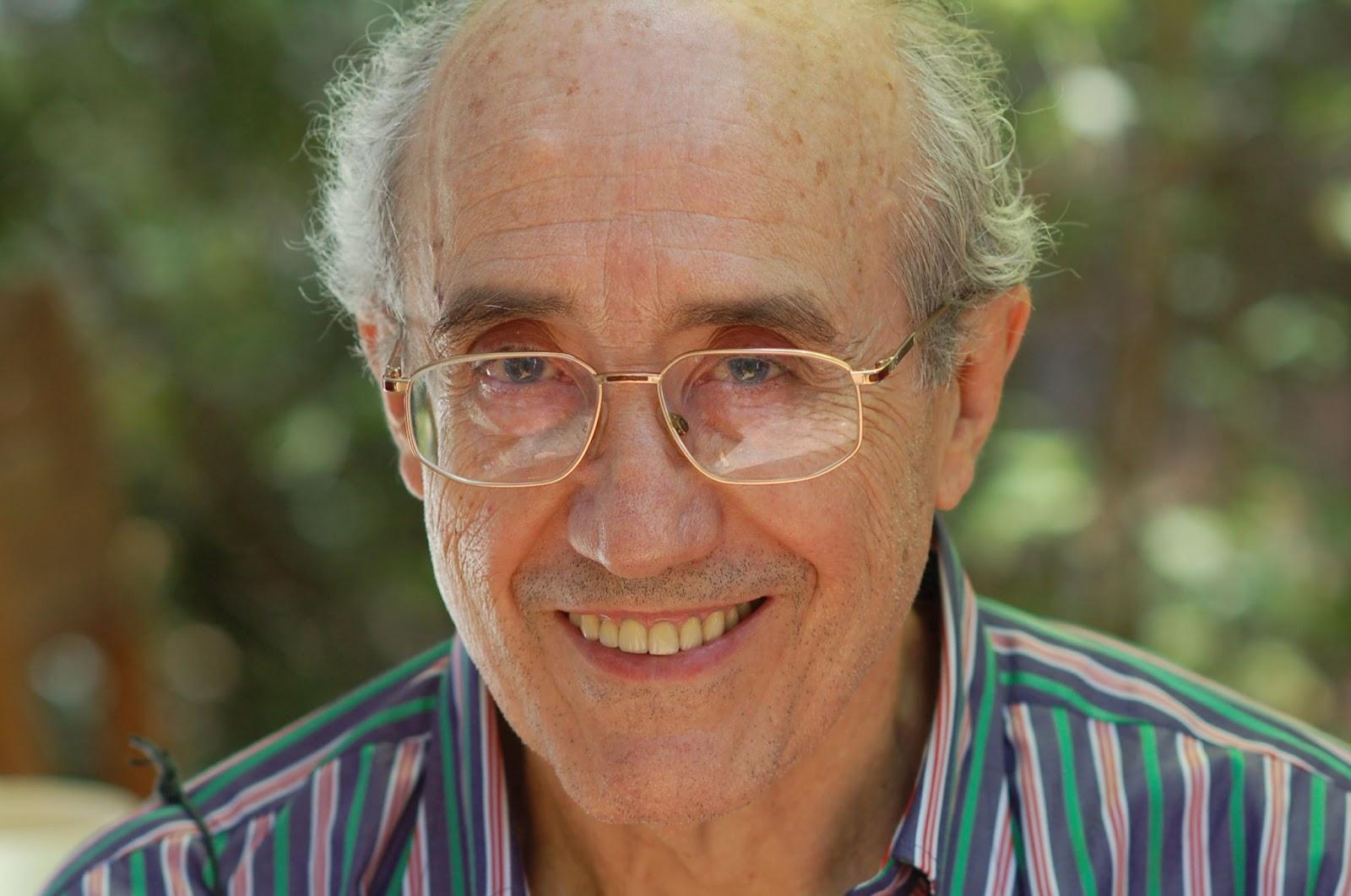
Crucially, we will explore the advancements made by the Neo-Piagetians, who sought to integrate Piaget’s structural approach with information-processing models. This includes Juan Pascual-Leone’s foundational work on mental attention capacity (M-space) and constructive operators, and Robbie Case’s focus on working memory and central conceptual structures. We will also consider Andreas Demetriou’s comprehensive theory of intellectual development, which integrates processing efficiency and specialized mental systems.
Further refining our understanding of cognitive complexity, Kurt Fischer and Thomas Bidell will be presented through their Dynamic Skill Theory, highlighting how cognitive skills develop dynamically and contextually through hierarchical tiers. Following this, we will examine Patricia King and Karen Kitchener’s work on the Reflective Judgment Model, which outlines how individuals develop increasingly sophisticated ways of understanding the nature of knowledge and justifying their beliefs in the face of complex, ill-structured problems. Deanna Kuhn will then offer insights into the development of critical thinking, argumentation, and meta-cognitive awareness, while Michael Commons and Theo Dawson will provide frameworks for understanding the ascent to higher orders of cognitive complexity, often termed “postformal” or “metasystematic” thought. Lastly, Michael Mascolo will illuminate the intricate interplay between cognitive, emotional, and social development, emphasizing the embodied and relational nature of mental structure formation.
Together, these diverse yet interconnected theories provide a powerful and multifaceted lens through which to understand the incredible journey of human cognition—from the basic building blocks of thought to the most sophisticated forms of reasoning and problem-solving.