Theorizing Adult Growth in Professional Contexts
The modern workplace is far more than just a site of production; it is a complex social ecosystem that profoundly shapes individual lives and offers unique pathways for adult development. This section explores a crucial branch of adult developmental theory that specifically examines how individuals grow, learn, and mature within organizational settings, and how organizations themselves can foster or hinder this development. Leading thinkers in this area move beyond simply acquiring skills to consider deeper transformations in how adults perceive their roles, manage complexity, lead others, and navigate their careers.
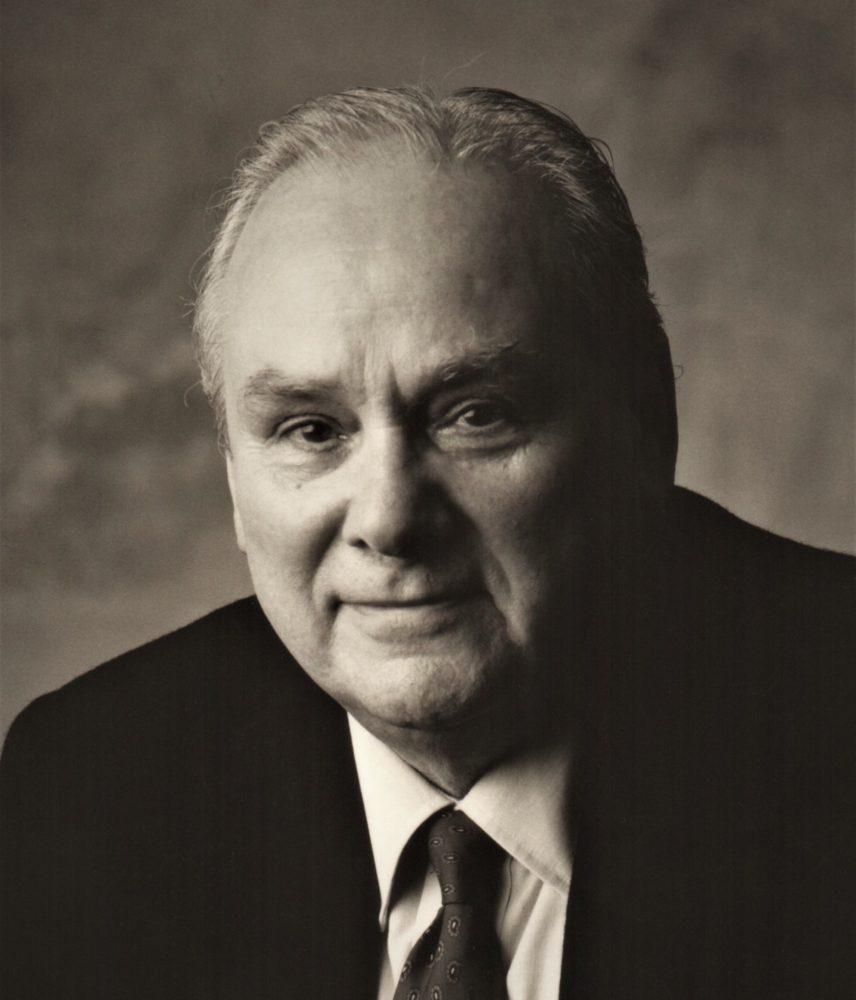
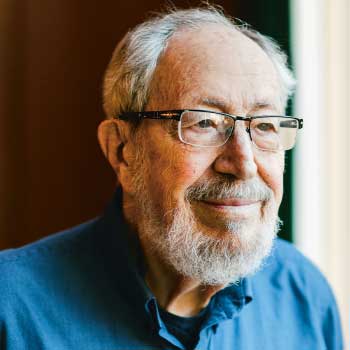
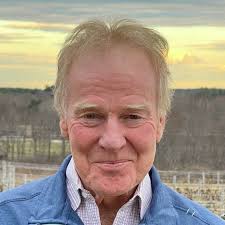
We begin with the foundational insights of Elliott Jaques, who established the concept of “requisite organization” and explored the hierarchical complexity of work, directly linking it to individual cognitive capacity and developmental progression. Following this, Herb Koplowitz contributes a nuanced understanding of how individuals develop through “levels of consciousness” as they grapple with the demands of organizational life. Building on these foundations, Edgar Schein illuminates the pervasive influence of organizational culture and introduces the idea of “career anchors” as drivers of adult professional identity. Chris Argyris delves into the dynamics of organizational learning, emphasizing the critical shift from defensive routines to authentic communication and “double-loop learning” as a path to individual and collective maturity. William Torbert studied with Argyris and brought attention to the conception of Action Inquiry as well as showing how organizations developed through stages (which preceded his work on individual action logics). Peter Senge provides a holistic framework for “the learning organization,” highlighting “personal mastery” and “systems thinking” as essential disciplines for adults to engage in continuous growth. Finally, Otto Scharmer introduces “Theory U,” a powerful model for leading profound change that emphasizes cultivating deeper levels of awareness and “presencing” as key to transformative adult development in complex systems. Together, these theorists offer a rich tapestry of perspectives on the dynamic interplay between the developing adult and the evolving organization. Note that William Torbert also fits in this category, however he is already in the Constructivist Developmental Stage Theories section.